||
Editor's Note - May 25, 2024: Willow Wealth, formerly Yieldstreet, was impacted by the financial troubles of a couple of its financial technology and banking partnerships, namely Synapse, which provided services to Yieldstreet. While the company has yet to publish any updates on its website regarding the status of its accounts, online customer reports are showing that Yieldstreet has paused withdrawals.
- Alternative investment platform for accredited investors
- Invest in a variety of assets, including art, real estate, debt, and more
- Fees vary by investment, but expect to pay around 2% per year
- Under investigation by multiple U.S. Government authorities
- Access to alternative assets
- Open to both accredited and non-accredited investors
- High fees
- Past investigations raise concerns
Willow Wealth is an investment platform that offers high-yield alternative investment opportunities to individual investors. These investments include everything from real estate, commercial and consumer financing, litigation financing, art, and more.
It's the wide range of offerings that makes Willow Wealth unique compared to other alternative investment platforms (such as those that focus solely on real estate or art).
Is this the right place to buy alternatives, or should you look elsewhere? We dig into the pros and cons and examine the numbers behind Willow Wealth and its offerings.
Table of Contents
What Is Willow Wealth?
What Does It Offer?
Are There Any Fees?
What Is Interesting About Willow Wealth
Drawbacks Of Willow Wealth
How Do I Open An Account?
Is Willow Wealth Safe To Use?
How Do I Contact Willow Wealth?
Is It Worth It?
What Is Willow Wealth?
Willow Wealth is an alternative investment platform that connects individual investors with private equity deals. To invest through Willow Wealth, you must be an accredited investor. This means you have earned more than $200,000 per year over the last two years ($300,000 for couples) or have $1 million in net worth.
In most cases, Willow Wealth invests in real estate deals such as hotels, industrial complexes, or student housing. But unlike many of the real estate funding sites, YieldStreet doesn’t limit itself to the physical real estate class. Investors can opt into fine art, ships or tankers, real estate debt, lawsuits settlements and other investment alternatives.
What Does It Offer?
Willow Wealth gives investors access to private market investments across alternative asset classes, including real estate, private equity, and private credit. Here's a closer look at their main products:
Managed Portfolios
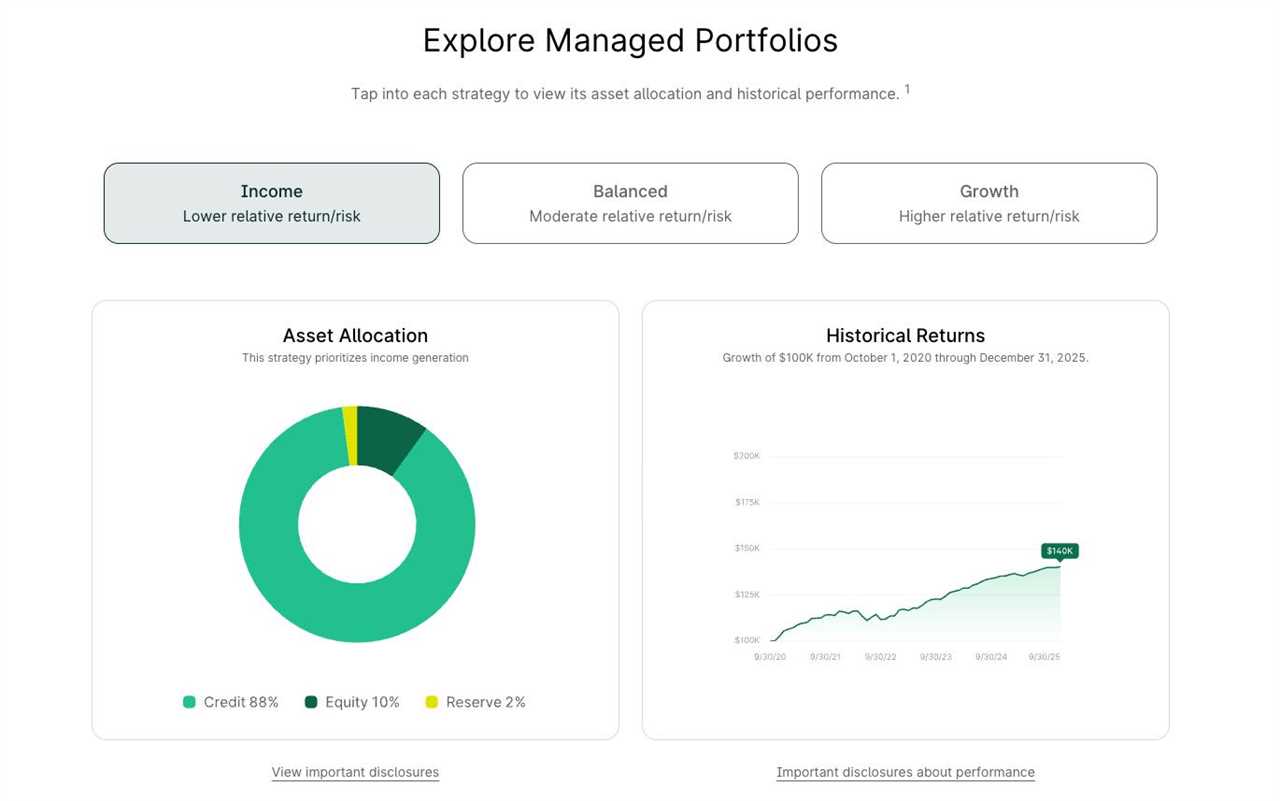
Willow Wealth offers managed investment portfolios in taxable accounts, with a $25,000 minimum investment. The portfolios provide you with access to thousands of investments across real estate, private equity, and private credit. You can choose a portfolio based on your investment objectives and risk tolerance, and the asset allocations have been designed by Wilshire, a global financial services company. According to Willow Wealth, Wilshire manages over $125 billion and has over 500 institutional clients.
Direct Investments
In addition to managed portfolios, Willow Wealth enables investors to choose from a curated selection of private market investments, including diversified funds and individual assets. These investments cover real estate, private equity, and private credit. Regarding individual investments, Willow Wealth reviews hundreds of eligible investments each year and selects those it believes are most "compelling". If you prefer a more hands-off approach, you can opt for Willow 360, a fully managed, diversified markets portfolio.
Retirement
Interested in adding private market investments to your IRA? Willow Wealth has partnered with a third-party IRA custodian, Equity Trust. You can roll over a 401(k) or transfer an existing IRA into a new IRA (Traditional, Roth, SEP, or SIMPLE. According to Willow Wealth, it only takes about five minutes to get started. The first step is to open an Equity Trust IRA account. Once your account is open, you'll work with a concierge team to help with your transfer or rollover. Finally, when your funds have arrived, you'll be able to choose from the range of Willow Wealth's eligible investments.
Are There Any Fees?
According to Willow Wealth, the average fee is 2% per year, with a few other small fees. These are industry average fees for private equity, but are much higher than the fees you would see on ETFs or Mutual funds.
What Is Interesting About Willow Wealth
In my opinion, it can be hard for any investor to untangle the platform's marketing hype from the actual value of the investments offered. And to a certain extent, I think Willow Wealth leans heavily on the hype of alternative investments. That said, Willow Wealth does appear to offer two compelling value propositions.
Potential Returns: The most obvious value proposition is the potential for great returns. Willow Wealth targets returns of 8% to 20% and rejects over 90% of the deals presented to the platform. While no company can guarantee performance, Willow Wealth’s offering could yield very solid returns.
Low Correlation: Another thing I found interesting about Willow Wealth was its lack of correlation with the stock market. High correlation means that an investment moves up and down in price at the same time as a stock market index (say, the S&P 500). Willow Wealth offers low-correlation investments. That means the ups and downs of Willow Wealth have not (to this point) correlated with those of the stock market.
Willow Wealth Prism Fund: For non-accredited investors, you can invest in a fund that invests in alternative assets.
Including low-correlation investments in your portfolio can be a smart move. It smooths out returns in your portfolio and tends to lead to higher overall returns. Including “alternatives” (anything outside of stocks and bonds) in your portfolio can lead to higher overall returns. With esoteric offerings, Willow Wealth truly qualifies as an alternative.
Drawbacks Of Willow Wealth
While Willow Wealth has compelling features, it’s not a silver bullet. There are several drawbacks to investing in Willow Wealth that I think could be easily overlooked.
One of the biggest is that they are under investigation by multiple government agencies. See this report from the Wall Street Journal.
These are four things that I don't like about Willow Wealth.
Limited Offerings: Right now, Willow Wealth has one real estate offering and a “fund” which is a private, non-traded REIT (real estate investment trust). If you really want to diversify your portfolio, you’ll need to constantly watch the site for compelling deals. Having real diversity in your alternatives allocation could take years.
No Secondary Market: Willow Wealth investments aren’t liquid. In general, your money will be locked up for three or more years before your capital and interest are returned. For many investors, that will be okay, but if you’re seeking liquidity, Willow Wealth isn't a good option.
Limited Track Record: While most of the deals I saw on Willow Wealth's site had yields close to its projections, that may be coincidental. It is very difficult to dig into Willow Wealth’s historical performance. And even if you could, each deal is quite different from other/current deals on the site.
Investors Are Expected To Be Experts: Investors on Willow Wealth must decide whether to invest in specific offerings. The offerings are unique, and Willow Wealth provides lots of information on the deals. However, most investors aren’t experts in litigation settlement investments or fine art investments. But investors on Willow Wealth are treated like experts. Personally, if I’m going to dig into the weeds of an investment, I want some control over the outcome. For example, I personally prefer owning a physical rental property rather than owning shares in a private REIT. This may be a matter of personal preference, but it is worth noting.
How Do I Open An Account?
You can open a Willow Wealth account through its website. You'll start by creating a profile, which will require you to answer a few questions about your financial situation and investment objectives, and to verify your identity. Once your account has been approved, you'll be able to review Willow Wealth's list of curated investment opportunities or choose a managed portfolio option.
Is Willow Wealth Safe To Use
Willow Wealth has taken several measures to ensure your personal information and data remain private and secure. This includes mandatory two-factor authentication (2FA) and a minimum 128-bit encryption. That said, the company has had a checkered past when it comes to investor losses, and this cannot and should not be overlooked.
According to this December 2025 CNBC article, the company disclosed over $200 million in investor losses in 2025 alone. Some experts believe that the company's rebrand (from Yieldstreet to Willow Wealth) is simply an attempt to cover up past problems. The bottom line is that private market investments are not guaranteed and can be very risky for investors. You should never consider it a core holding in your portfolio, and you should always consider your investment objectives and risk tolerance before investing. In short, you could lose all of the money you invest.
How Do I Contact Willow Wealth?
Willow Wealth offers customer support via telephone, email, and both AI- and human-powered live chat on its website. To contact Willow Wealth by telephone, dial 1-844-943-5378, or email them at [email protected]. The company's corporate headquarters is located at 300 Park Avenue, 15th Floor, New York, NY 10022.
Is It Worth It?
In general, we're concerned about what Willow Wealth is doing. Democratizing alternative investing (even among accredited investors) is valuable for investors and for the market, but there doesn't seem to be enough information about Willow Wealth's investments and success to make a good judgment.
That said, the lack of control, the limited offerings, and the esoteric nature of Willow Wealth's investments make me nervous. For the right accredited investor, Willow Wealth’s offerings could make sense for a portion of their portfolio. I would advise any investor to limit their exposure to any single deal and to slowly invest in a variety of offerings on the site, if you risk it.
The post Willow Wealth Review: Pros, Cons, And Alternatives appeared first on The College Investor.
||
---------------------------
By: Robert Farrington
Title: Willow Wealth Review: Pros, Cons, And Alternatives
Sourced From: thecollegeinvestor.com/33250/yieldstreet-review/
Published Date: Thu, 22 Jan 2026 08:15:00 +0000
Read More
Did you miss our previous article...
https://peaceofmindinvesting.com/clubs/retirement-is-a-number-not-an-age
.png) InvestingStocksToolsClubsVideosPrivacy PolicyTerms And Conditions
InvestingStocksToolsClubsVideosPrivacy PolicyTerms And Conditions