||
The Market Sentiment Indicator solves a critical gap in most traders’ analysis. It adds a psychological layer to technical setups, helping identify when price movements might be driven by emotion rather than fundamentals. Let’s break down how this tool works and why it belongs on your charts.
What Makes Market Sentiment Different from Price-Based Indicators
Most forex indicators moving averages, RSI, MACD analyze historical price data. They tell you what happened. Sentiment indicators flip that approach. They reveal what traders are actually doing right now, showing the percentage of long versus short positions across retail accounts.
Here’s the thing: retail traders have a documented track record of being on the wrong side at extremes. When 85% of traders hold long positions on GBP/JPY, that pair often reverses downward. It’s not magic. It’s market structure. Retail traders don’t have the capital to move markets. When they’re heavily positioned one way, institutional players can exploit that imbalance.
The MT4 version pulls data feeds usually from brokers or aggregated retail position data and displays it as a percentage ratio or visual gauge. A reading of 70% long means seven out of ten retail traders are betting on price increases. Some versions include historical sentiment overlays, letting traders spot patterns in positioning data.
How Sentiment Analysis Works in Real Trading Conditions
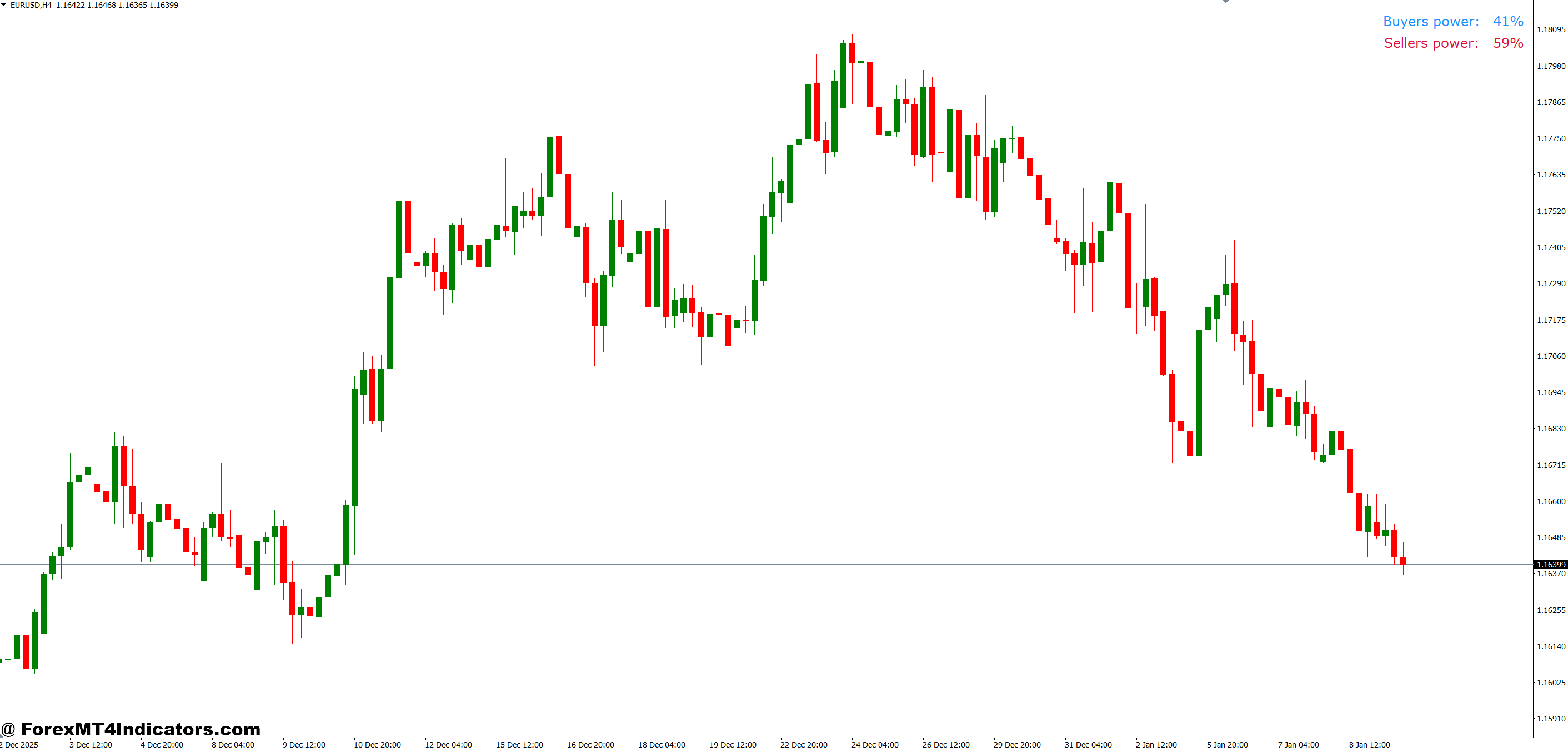
The calculation behind sentiment indicators is straightforward. They track the ratio of long to short positions across thousands of retail accounts. The formula: (Number of Long Positions / Total Positions) × 100. But the real value isn’t in the math it’s in the interpretation.
Traders use sentiment data as a contrarian signal at extremes. When sentiment reaches 75-80% in either direction, it flags potential reversals. During the NFP release in September 2024, USD/JPY sentiment hit 82% long just before a sharp 140-pip drop. Retail traders had chased the rally, loading up on longs at the top. Smart money took the other side.
That said, sentiment works best when combined with technical confirmation. A sentiment extreme alone doesn’t mean “short here.” Wait for price action signals: bearish engulfing candles, broken support, divergence on momentum indicators. Sentiment tells you the crowd’s position. Technical analysis tells you when they’re about to be punished for it.
The indicator shines during ranging markets and at major support/resistance zones. In strong trends, sentiment can stay extreme for extended periods. EUR/USD spent three weeks with 70%+ long positions during a persistent uptrend in late 2024. Contrarian traders who shorted too early got chopped up. Trend strength matters.
Customizing Sentiment Settings for Different Trading Styles
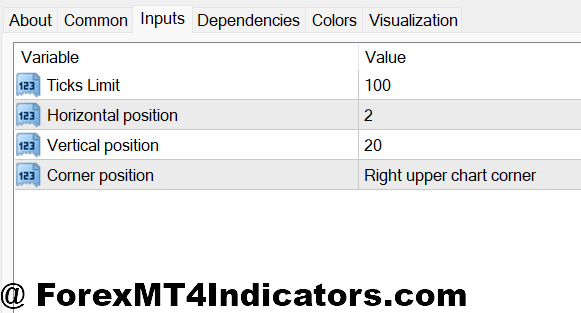
Most MT4 sentiment indicators offer basic customization: threshold alerts, visual style (bar vs. gauge), and data refresh intervals. Scalpers might set alerts at 65% extremes since they’re playing shorter moves. Swing traders wait for 75-80% before considering contrary positions.
The refresh rate matters more than traders realize. Some brokers update sentiment data every 15 minutes. Others provide real-time feeds. For day traders on the 15-minute or 1-hour charts, real-time data gives an edge. Position traders working daily charts can use hourly updates without missing much.
Currency pair selection affects sentiment reliability. Major pairs like EUR/USD and GBP/USD have robust data millions of retail positions generate statistically significant samples. Exotic pairs with thin retail participation produce noisy sentiment readings. The data pool is too small to be meaningful.
One practical adjustment: combine sentiment with volatility filters. Don’t trade sentiment extremes during Asian sessions when volume is light. The 80% long reading on AUD/USD at 2 AM GMT means less than the same reading during London open. Context matters.
Advantages That Make Sentiment Indicators Valuable
The primary edge is timing. Technical analysis shows where price might reverse. Sentiment shows when the crowd is positioned to fuel that reversal. When both align, the probability increases. A double bottom at support means more when 76% of traders are short, betting against the bounce.
Sentiment data also highlights when to avoid trades. If your technical setup says “short EUR/USD” but only 35% of retail traders are long, the contrarian edge isn’t there. You might still be right, but you’re missing the crowd-positioning catalyst that amplifies moves.
Another advantage: it reduces emotional trading. Newer traders often feel FOMO when price rallies strongly. Checking sentiment provides perspective. If 80% of traders are already long, joining late means buying what the crowd bought. Not ideal positioning.
Limitations and Reality Checks
No indicator guarantees profits, and sentiment analysis has real weaknesses. First, the data source matters. Some MT4 indicators pull from single brokers, showing only that broker’s client positioning. Others aggregate from multiple sources. Single-broker data can be skewed by the broker’s client base and marketing.
Second, sentiment extremes can persist. The crowd can be wrong and stay wrong for days or weeks during strong trends. GBP/USD showed 75%+ long positioning for 12 consecutive trading days during a relentless rally in Q4 2024. Contrarian shorts got destroyed.
Third, retail positioning isn’t the whole market. Institutional flow, central bank interventions, and commercial hedging don’t show up in retail sentiment data. A sentiment indicator won’t warn you about a surprise BOJ intervention or a sudden geopolitical shock.
Traders who rely solely on sentiment miss these factors. It’s one input among many. Price action, fundamentals, and technical structure still matter. Think of sentiment as a tie-breaker or confirmation tool, not a standalone system.
Comparing Sentiment to Other Contrarian Tools
The COT (Commitments of Traders) report offers similar contrarian data for futures markets. It shows positioning among commercial hedgers, large speculators, and small traders. But COT releases weekly, making it useless for day traders. Sentiment indicators provide real-time data with immediate relevance.
Volatility indicators like the VIX (for stocks) or implied volatility measures show fear or complacency. Sentiment indicators are more direct they literally tell you what traders are doing, not inferring it from options pricing or volatility spreads.
Put/call ratios in options trading serve a similar purpose. High put volume suggests bearish positioning, often a contrarian bullish signal. Forex sentiment indicators deliver comparable insights without requiring options market knowledge.
How to Trade with Market Sentiment Indicator MT4
Buy Entry
- Extreme short bias confirmed – Wait for sentiment to hit 75%+ short positions on EUR/USD or GBP/USD, then enter long only after price forms a bullish engulfing candle on the 1-hour chart at support.
- Sentiment divergence at support – When price tests major support (like 1.0800 on EUR/USD) and 70%+ of traders are short, enter a small long position with 30-pip stop loss.
- Sentiment flip during uptrend – If sentiment shifts from 60% short to 50/50 within 4 hours during an established daily uptrend, add to long positions as the crowd capitulates.
- Risk-off into oversold – Combine 72%+ short sentiment with RSI below 30 on the 4-hour chart; enter longs but risk only 1% per trade since reversals can delay.
- Asian session extremes – Avoid buying solely on sentiment extremes during Asian hours (low volume); wait for London open confirmation with increased momentum.
- News catalyst alignment – Don’t enter longs on sentiment alone before major news (NFP, FOMC); wait 30 minutes post-release to see if extreme short positioning unwinds.
- Multiple timeframe confirmation – Enter long when daily chart shows 75%+ shorts AND 1-hour chart prints higher lows; scale in with 50% position, add rest after 20-pip move.
- Stop placement with crowd – Set stops 5-10 pips below where retail shorts likely placed theirs (just under obvious support), giving your trade breathing room.
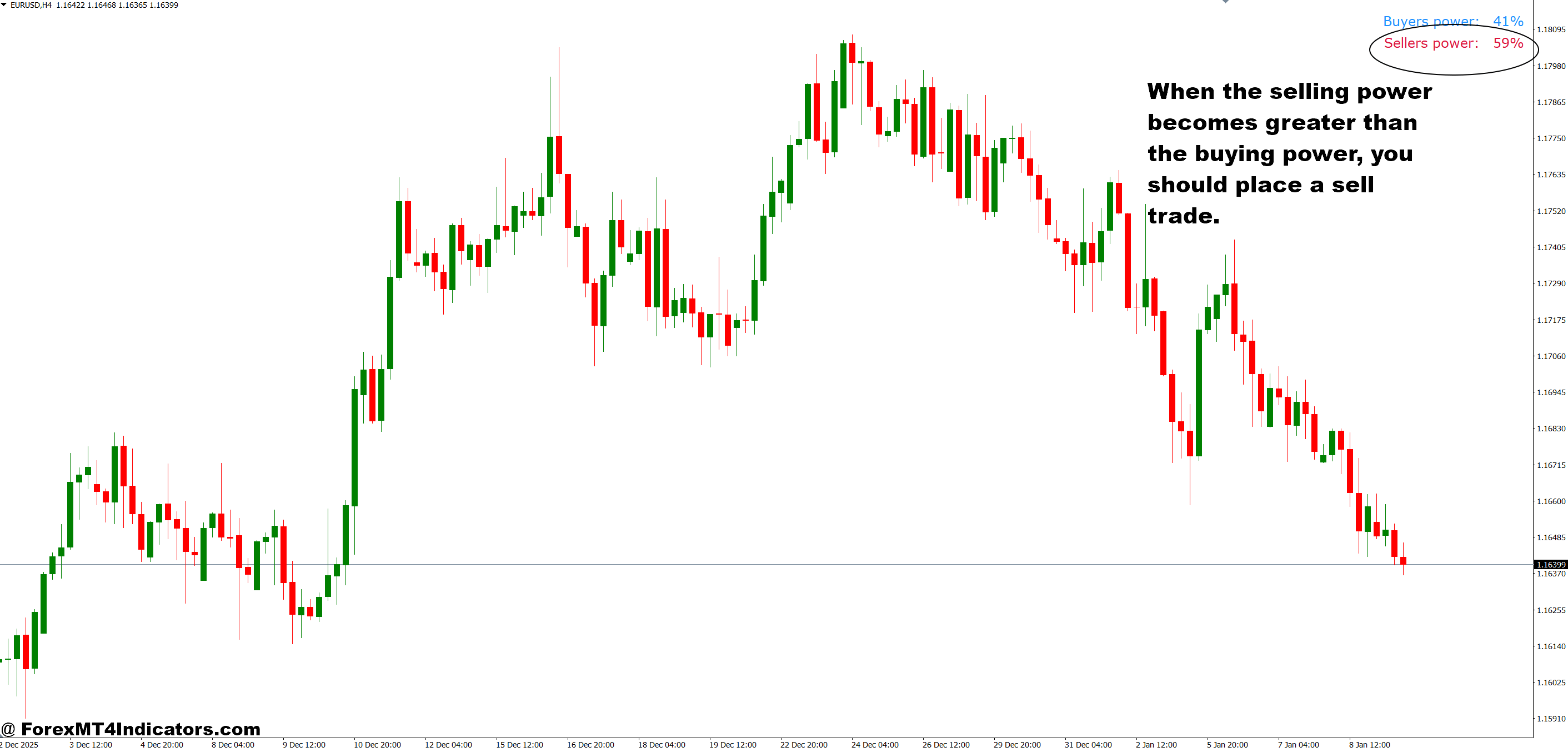
Sell Entry
- Extreme long bias at resistance – Short when sentiment reaches 78%+ long on GBP/JPY at major resistance and price prints bearish pin bar on 1-hour timeframe.
- Parabolic move with crowding – If EUR/USD rallies 150+ pips in 6 hours and sentiment hits 80% long, enter shorts with tight 25-pip stops expecting exhaustion.
- Sentiment peak after gap – When Monday gaps up and sentiment immediately spikes to 75%+ long within first 2 hours, short the rejection with targets at gap fill.
- Trend exhaustion signal – Combine 73%+ long reading with bearish divergence on MACD (4-hour chart); enter shorts but trail stops—don’t fight if trend extends.
- Round number rejection – Short when price fails at psychological levels (1.3000 on GBP/USD) with 76%+ long sentiment; retail often adds longs at round numbers before reversals.
- Pre-weekend risk reduction – Don’t short Friday afternoon solely on sentiment extremes; gaps can blow past stops over weekend despite “perfect” contrarian setup.
- Volume confirmation required – Only short extreme long sentiment (75%+) if selling volume increases; check 15-minute chart for volume spikes confirming institutional distribution.
- Scale-in approach – Enter 30% position at first sentiment extreme (74% long), add another 30% if sentiment rises to 80%, keep final 40% for technical breakdown below support.
Putting Sentiment Indicators to Work
Trading forex carries substantial risk. No indicator guarantees profits, and past performance doesn’t ensure future results. Sentiment analysis works best as part of a complete trading plan that includes risk management, technical analysis, and fundamental awareness.
The real value of sentiment indicators lies in their ability to show when the crowd is leaning too far one way. That information helps traders avoid chasing rallies or selling into panic drops. It provides context that price alone can’t deliver. But it requires patience. Wait for extreme readings, confirm with technical signals, and don’t fight strong trends just because sentiment looks stretched.
For traders willing to add a psychological dimension to their analysis, sentiment indicators offer an edge that price-based tools miss. They won’t transform a losing trader into a winner overnight. But combined with sound strategy and disciplined execution, they can improve timing and reduce the urge to follow the herd especially when the herd’s about to get slaughtered.
Recommended MT4/MT5 Broker
XM Broker
- Free $50 To Start Trading Instantly! (Withdraw-able Profit)
- Deposit Bonus up to $5,000
- Unlimited Loyalty Program
- Award Winning Forex Broker
- Additional Exclusive Bonuses Throughout The Year
- Exclusive 90% VIP Cash Rebates for all Trades!

>> Sign Up for XM Broker Account here with Exclusive 90% VIP Cash Rebates For All Future Trades [Use This Special Invitation Link] <<
Already an XM client but missing out on cashback? Open New Real Account and Enter this Partner Code: VIP90
(Free MT4 Indicators Download)

||
-----------------------------------------------------
By: Tim Morris
Title: Market Sentiment Indicator MT4
Sourced From: forexmt4indicators.com/market-sentiment-indicator-mt4/?utm_source=rss&utm_medium=rss&utm_campaign=market-sentiment-indicator-mt4
Published Date: Mon, 12 Jan 2026 07:00:04 +0000
Read More
.png) InvestingStocksToolsClubsVideosPrivacy PolicyTerms And Conditions
InvestingStocksToolsClubsVideosPrivacy PolicyTerms And Conditions