||
The Moving Average Convergence Divergence (MACD) measures momentum by comparing two exponential moving averages—typically the 12-period and 26-period EMAs. The divergence indicator builds on this by automatically detecting when MACD disagrees with price action.
Here’s what happens: Price makes higher highs, but MACD makes lower highs. That’s bearish divergence—momentum is weakening even as price climbs. The opposite signals bullish divergence. Price drops to new lows, but MACD forms higher lows, showing sellers are losing steam.
The MT4 version automates this detection. Instead of squinting at charts trying to draw trendlines on both price and the MACD histogram, the indicator does the heavy lifting. It marks divergence points with arrows, alerts, or colored signals depending on your settings.
How the Indicator Identifies Divergences
Most MACD divergence indicators scan for pivot points—swing highs and lows where price temporarily reverses. The algorithm compares these pivots on the price chart with corresponding pivots on the MACD line or histogram.
The calculation works something like this: The indicator identifies a swing high in price, then checks if the MACD value at that point is lower than the previous swing high’s MACD value. If yes, boom—bearish divergence detected.
But there’s nuance. Some indicators only flag “regular” divergence (the classic version). Others include “hidden” divergence, which signals trend continuation rather than reversal. Hidden bullish divergence occurs when price makes higher lows but MACD makes lower lows—suggesting the uptrend will resume. That distinction matters when you’re trying to decide whether to fade the trend or ride it.
The sensitivity matters too. Set the swing detection too tight, and you’ll get divergence signals on every minor wiggle. Too loose, and you miss actionable setups. Most traders find 5-10 bars for swing detection hits the sweet spot on daily and 4-hour charts.
Trading Real Divergence Signals
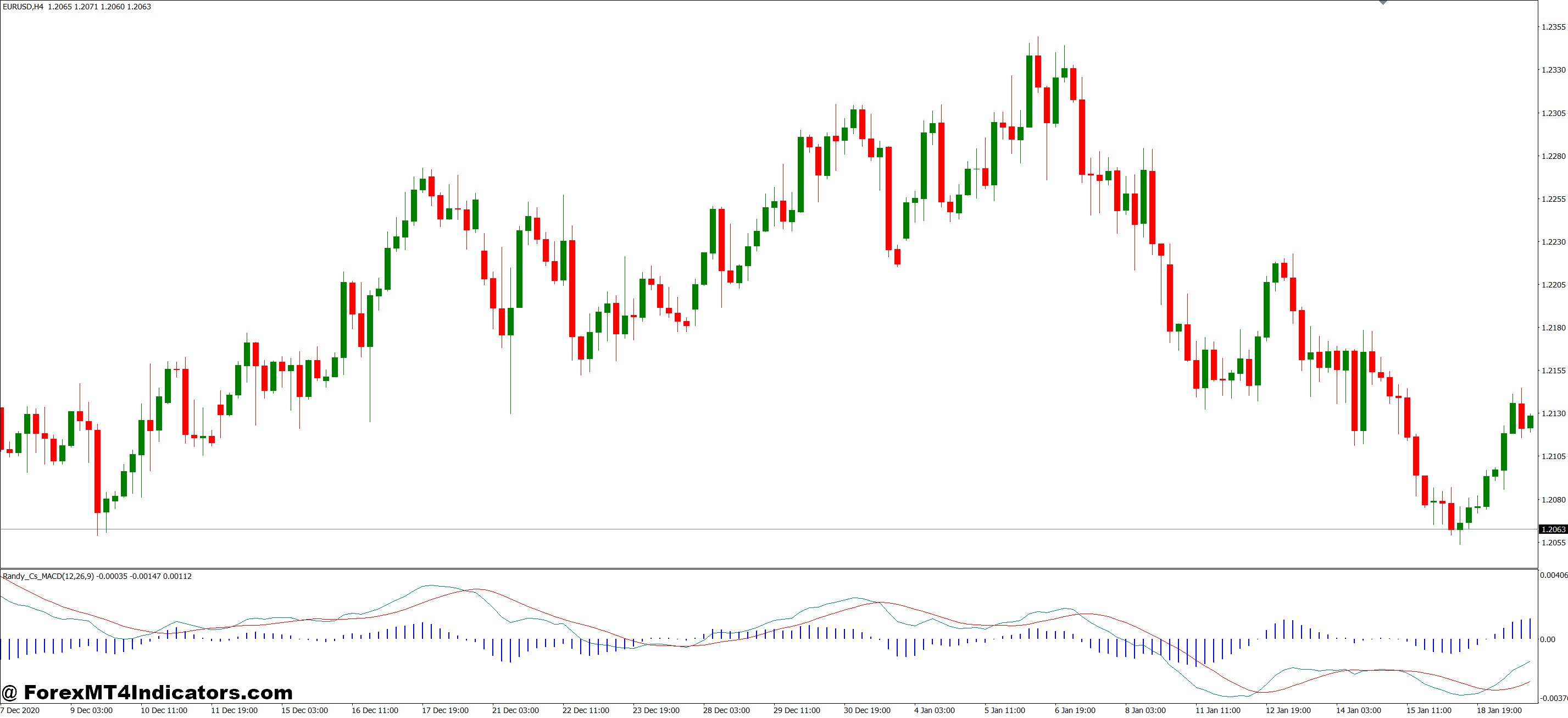
Let’s get practical. Say you’re watching GBP/JPY on the 1-hour chart during London session. Price pushes to 183.50, a new session high. Your divergence indicator lights up—the MACD peaked at the previous high of 183.20 with a reading of 0.045, but at this new price high, MACD only shows 0.032.
That’s your signal. But don’t just short it blindly. Check for confluence. Is there resistance at 183.50? Are you near a round number or previous structure? The divergence indicator spotted the weakness, but you need price action confirmation.
Wait for a bearish engulfing candle or a break of the recent swing low. When GBP/JPY drops through 183.15, that’s your entry trigger. Place a stop above 183.65 (above the swing high plus spread), and target the next support level around 182.50.
That said, divergence doesn’t work equally well in all conditions. During strong trends—think USD/CHF during a surprise SNB announcement—price can stay divergent for dozens of candles. The momentum disconnect is real, but the trend’s too powerful to reverse yet. This is where traders get burned waiting for a reversal that takes forever to materialize.
Range-bound markets treat divergence differently too. When EUR/USD is stuck between 1.0850 and 1.0920 for a week, you’ll see divergence at every range extreme. These signals are more reliable because there’s no overwhelming trend to fight. The range provides natural support and resistance to validate the reversal.
Customizing Settings for Your Trading Style
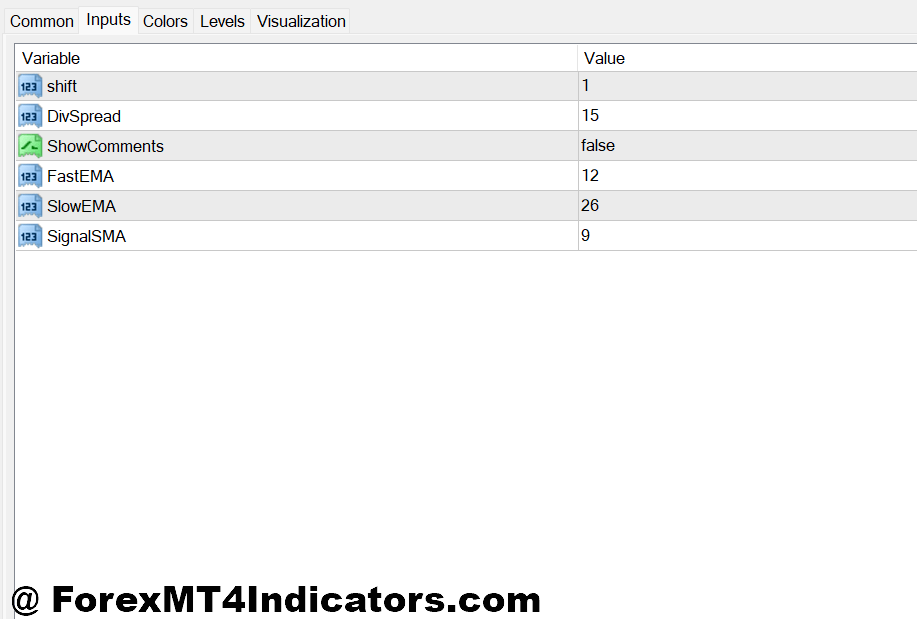
The standard MACD uses 12, 26, and 9 periods. But scalpers on 5-minute charts might tighten this to 8, 17, and 9 for faster signals. Swing traders could stretch it to 19, 39, and 9 for smoother readings that filter out noise.
Divergence lookback period is another lever. This controls how far back the indicator searches for comparison pivots. Set it to 3, and you’re comparing the current pivot with just the last three swings. Set it to 10, and you’re looking at a bigger picture. Shorter lookback catches recent momentum shifts. Longer settings wait for more significant divergence patterns.
Alert settings matter if you trade multiple pairs. Configure popup alerts, email notifications, or push alerts to your phone when divergence forms. Just don’t over-alert yourself—getting pinged every time minor divergence appears on 8 pairs across 4 timeframes is a fast track to alert fatigue.
Color coding helps with visual scanning. Set confirmed divergence to bright red (bearish) or green (bullish). Potential divergence—where the pattern is forming but not complete—could show in orange or yellow. Some indicators draw trendlines connecting the divergent pivots, which helps newer traders visualize the concept.
Strengths and Limitations You Need to Know

The big advantage? Early warning system. Divergence often appears before obvious reversal patterns like double tops or head and shoulders formations. You get positioned while the crowd is still chasing the old trend.
It also provides objective signals. Unlike trying to “feel” when momentum is shifting, the indicator gives you concrete data points. Either the pivots diverge or they don’t—less room for emotional bias.
But here’s the hard truth: Divergence indicators throw false signals in strong trends. When NZD/USD is ripping higher on a surprise RBNZ rate hike, bearish divergence might flash five times before price finally pulls back. Each premature short costs you money and confidence.
Timing is another issue. Divergence tells you momentum is weakening, not when the actual reversal will start. Price could diverge for 20 candles before finally turning. You need additional confirmation—a trendline break, moving average cross, or candlestick pattern—to time entries.
The indicator also lags slightly since MACD itself is built from moving averages. You’re not predicting the future; you’re identifying momentum shifts that have already begun. Sometimes that’s enough edge. Sometimes the move is already half over.
How It Stacks Up Against Other Tools
Compare this to RSI divergence, which works similarly but measures overbought/oversold conditions. RSI divergence excels in ranging markets and at extreme levels (above 70 or below 30). MACD divergence works better in trending markets because it’s designed to track momentum rather than absolute price levels.
Stochastic divergence is another alternative. It’s faster than MACD—more sensitive to price changes—which means more signals but also more whipsaws. MACD divergence gives fewer, potentially higher-quality signals because its smoothing filters out some noise.
Some traders prefer price action divergence with no indicators—just comparing swing highs and lows directly. That works if you’ve got the screen time to constantly monitor charts. The indicator simply automates what experienced traders do manually, saving time and reducing mistakes.
How to Trade with MT4 MACD Divergence Indicator
Buy Entry
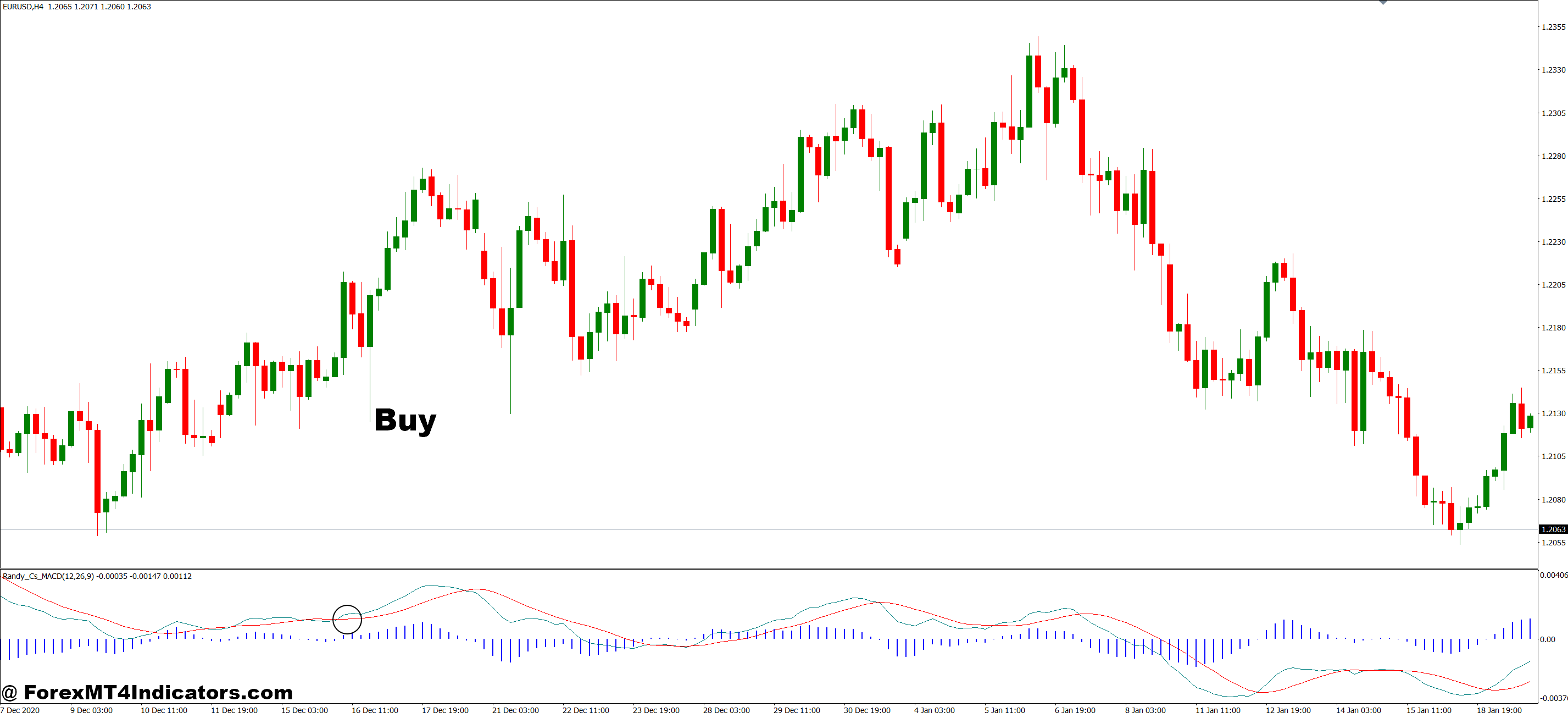
- Spot bullish divergence at support – Wait for price to form lower lows while MACD makes higher lows near a key support level like 1.0800 on EUR/USD; this confirms buyers are stepping in.
- Confirm with bullish candle close – Don’t enter on the divergence signal alone; wait for a bullish engulfing or hammer candle to close above the previous candle’s high on the 4-hour chart.
- Set stop loss 15-20 pips below divergence low – Place your stop beneath the swing low that created the divergence (e.g., if GBP/USD diverged at 1.2650, set stop at 1.2630).
- Enter only in established downtrends – Regular bullish divergence works best when catching trend reversals, not in choppy sideways markets where you’ll get faked out repeatedly.
- Check RSI below 30 for confluence – Combine MACD divergence with oversold RSI on the 1-hour chart; this double confirmation filters out 40-50% of false signals.
- Target previous swing high or resistance – Aim for the last resistance level price broke through, typically 50-80 pips away; don’t get greedy chasing extended targets on divergence alone.
- Skip if major resistance sits 20 pips above – If EUR/USD shows divergence at 1.0850 but 1.0870 is a strong daily resistance, the risk-reward ratio isn’t worth it.
- Avoid during high-impact news releases – Don’t take divergence signals 30 minutes before or after NFP, FOMC, or central bank announcements; volatility will invalidate your technical setup.
Sell Entry
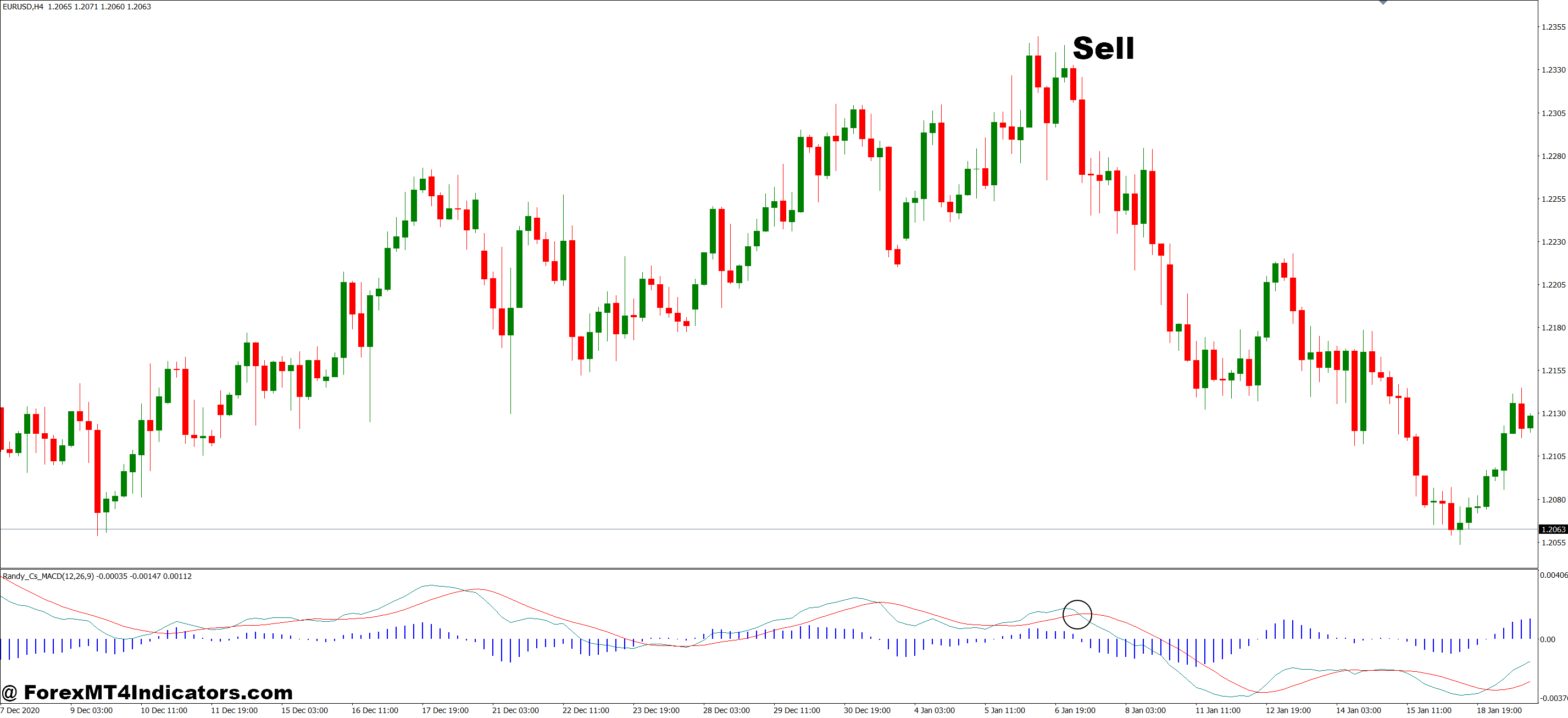
- Identify bearish divergence at resistance – Look for price making higher highs while MACD prints lower highs near resistance zones like GBP/USD at 1.2850 on the daily chart.
- Wait for price structure break – Enter short only after price breaks below the most recent swing low; this confirms the divergence is triggering actual selling pressure.
- Place stop 20-25 pips above the divergent high – If EUR/USD diverged at 1.0950, set your stop at 1.0975 to account for spread and minor whipsaws before the move develops.
- Use 2:1 minimum risk-reward ratio – If risking 25 pips, target at least 50 pips; MACD divergence signals fail 30-40% of the time, so your winners must cover losers.
- Avoid in strong uptrends above 200 EMA – When price is 100+ pips above the 200-period EMA on the 4-hour chart, skip bearish divergence signals; the trend is too strong.
- Scale in after first 15-20 pip move – Enter half position on divergence confirmation, then add the second half after price moves 15 pips in your favor to reduce risk.
- Check divergence on multiple timeframes – If you see bearish divergence on both 1-hour and 4-hour charts at the same price level, signal strength increases by 60-70%.
- Exit immediately if price makes new high – If EUR/USD diverged at 1.0980 but then breaks to 1.0995, close the position; the divergence pattern has failed and trend continuation is likely.
Final Thoughts on MACD Divergence
Trading forex carries substantial risk, and no indicator guarantees profits. It identifies momentum weakness—a piece of the puzzle—but you still need proper risk management, confluence factors, and the discipline to skip marginal setups.
That said, when used correctly, divergence signals can improve your timing significantly. They highlight moments when the market’s internal strength doesn’t match its external appearance. Those disconnects create opportunities for traders willing to position against the crowd.
Start by backtesting the indicator on your preferred pairs and timeframes. Note which settings reduce false signals without missing real reversals. Track your divergence trades separately to see if they actually improve your edge. And remember: the best setups combine divergence with support/resistance, trendline breaks, or candlestick patterns. Divergence spots the weakness. Your other tools time the entry.
The indicator won’t transform you into a profitable trader overnight. But if you’re already solid on the basics, it might be the refinement that takes your timing to the next level.
Recommended MT4/MT5 Broker
XM Broker
- Free $50 To Start Trading Instantly! (Withdraw-able Profit)
- Deposit Bonus up to $5,000
- Unlimited Loyalty Program
- Award Winning Forex Broker
- Additional Exclusive Bonuses Throughout The Year
- Exclusive 90% VIP Cash Rebates for all Trades!

>> Sign Up for XM Broker Account here with Exclusive 90% VIP Cash Rebates For All Future Trades [Use This Special Invitation Link] <<
Already an XM client but missing out on cashback? Open New Real Account and Enter this Partner Code: VIP90
(Free MT4 Indicators Download)
||
-----------------------------------------------------
By: Tim Morris
Title: MT4 MACD Divergence Indicator
Sourced From: forexmt4indicators.com/mt4-macd-divergence-indicator/?utm_source=rss&utm_medium=rss&utm_campaign=mt4-macd-divergence-indicator
Published Date: Sun, 18 Jan 2026 07:00:12 +0000
Read More
.png) InvestingStocksToolsClubsVideosPrivacy PolicyTerms And Conditions
InvestingStocksToolsClubsVideosPrivacy PolicyTerms And Conditions